Media

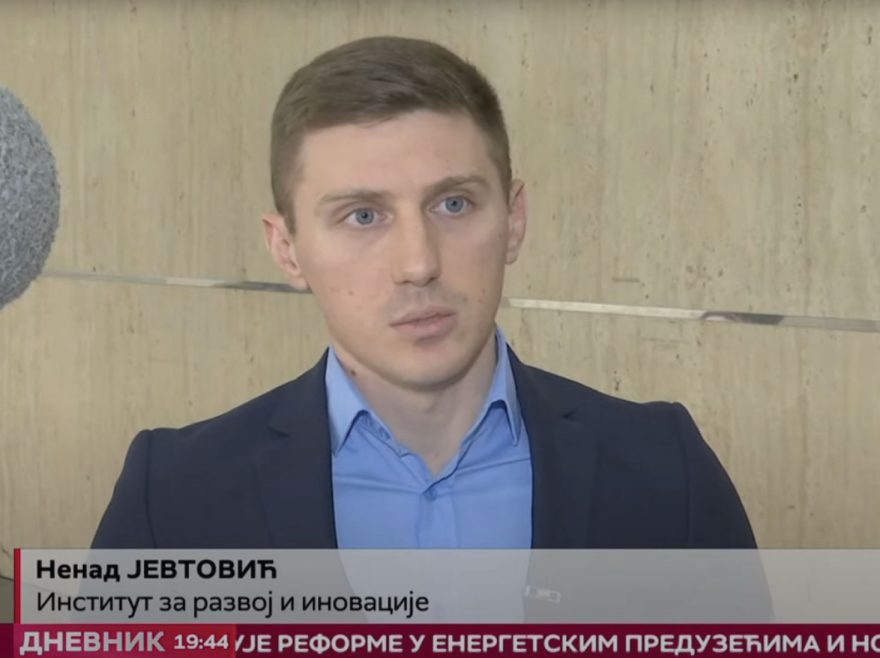
Through the media, representatives of the Institute for Development and Innovation express expert opinions, advocate for economic policies, and inform the public about their work. Аll with the aim of providing accurate and relevant facts on economic issues of public interest.


FOR JUTARNJI PROGRAM RTS

How much does Education cost in Serbia from Primary School to University?
Which graduates receive the most investment, and what Serbia gains and loses when a highly educated person leaves the country.

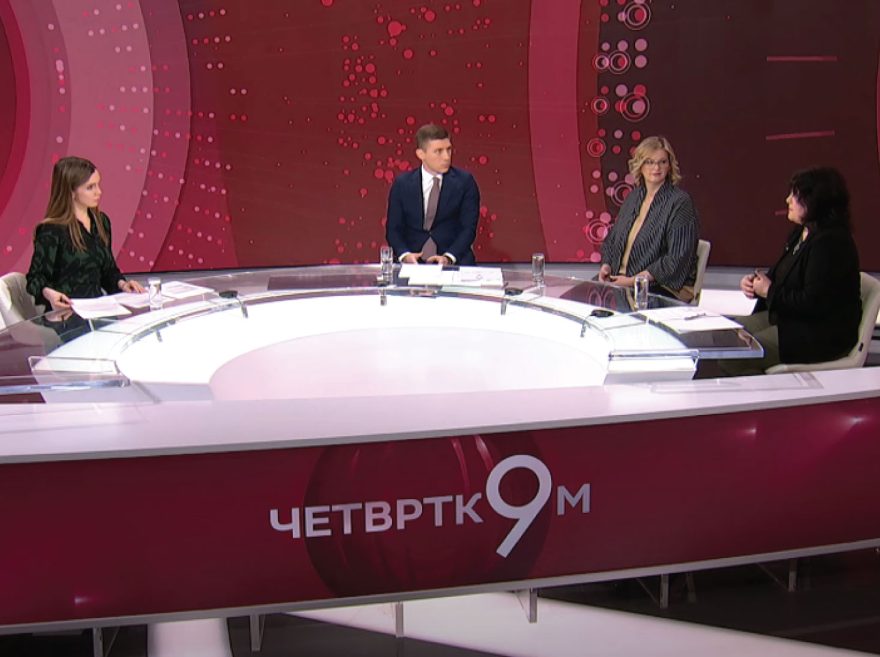
ČETVRTKOM U 9

About Projections, Measures, and the Demographic Picture of the Republic of Serbia
In analyzing and developing policy proposals to address depopulation, we start from the position of women in the labor market.

FOR RTS

About the new Immigration System to Germany – “Green Card” Preparation
It will be easier for workers from Serbia and the WB to go to Germany: Preparation for what is called the “Green Card” in the US.

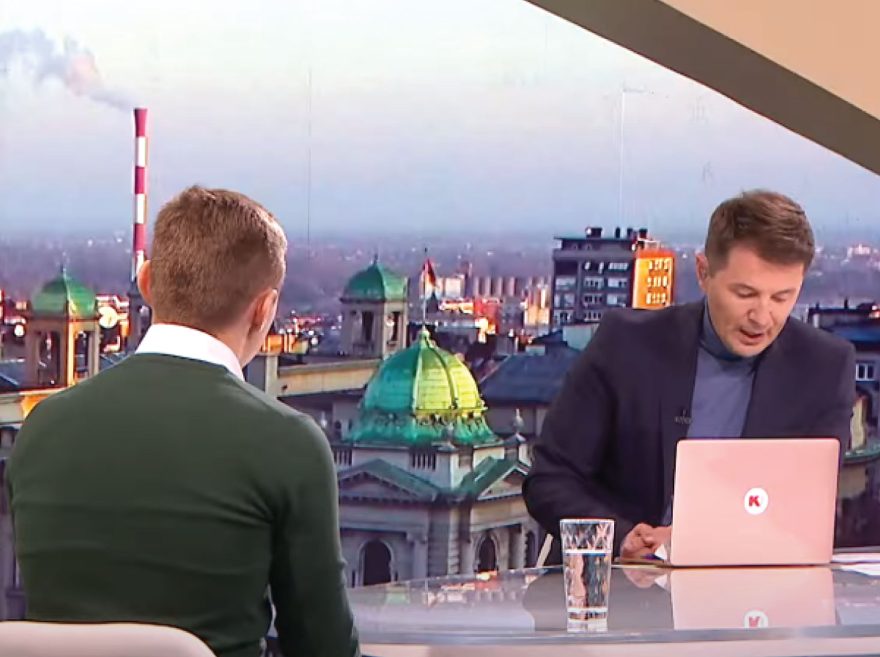
FOR K1

“Pokreni se!” and Become a Graphic Designer
In order to improve the position of young people in the labor market, the Institute is implementing the project “Pokreni se!” over the next six months.

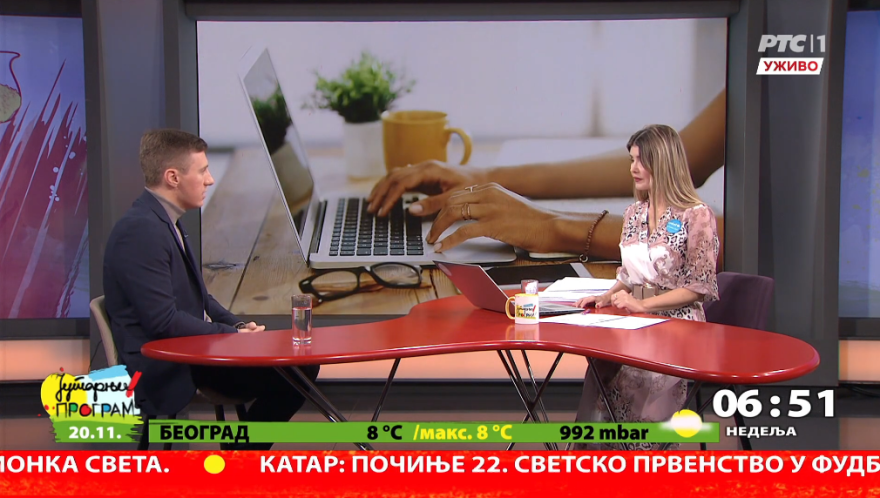
FOR JUTARNJI PROGRAM RTS

On the Position of Young People in the Labor Market for the Morning Program
The project “Get Moving! 3” is part of the “Get Moving!” projects that focus on improving the position of young people in the labor market.

FOR OKO MAGAZIN

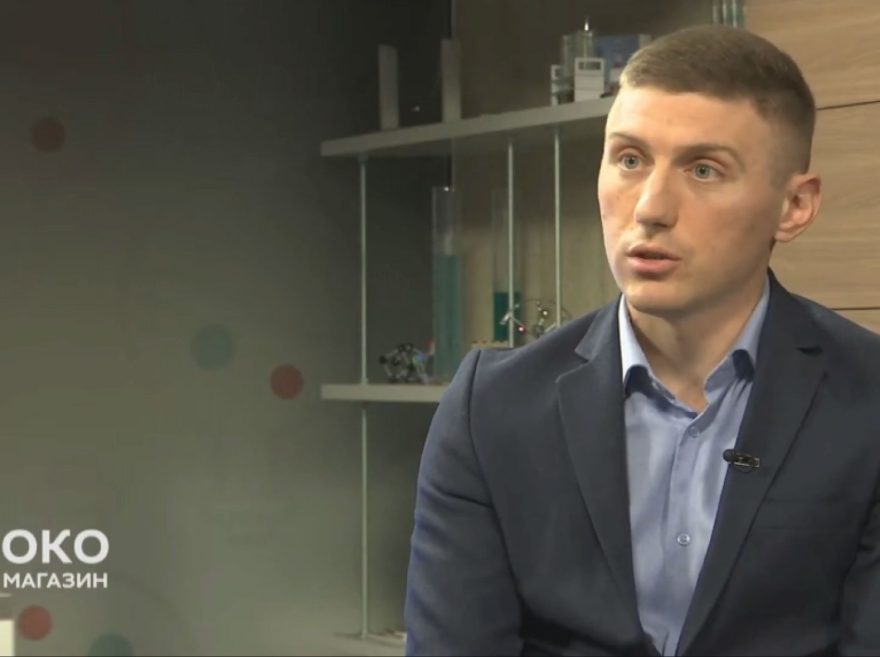
Nenad Jevtović spoke to OKO Magazine about Migration Trends
The total cost of brain drain for the Western Balkan countries is 2.5 billion euros. Migration costs Serbia about 960 million euros annually.

FOR KURIR

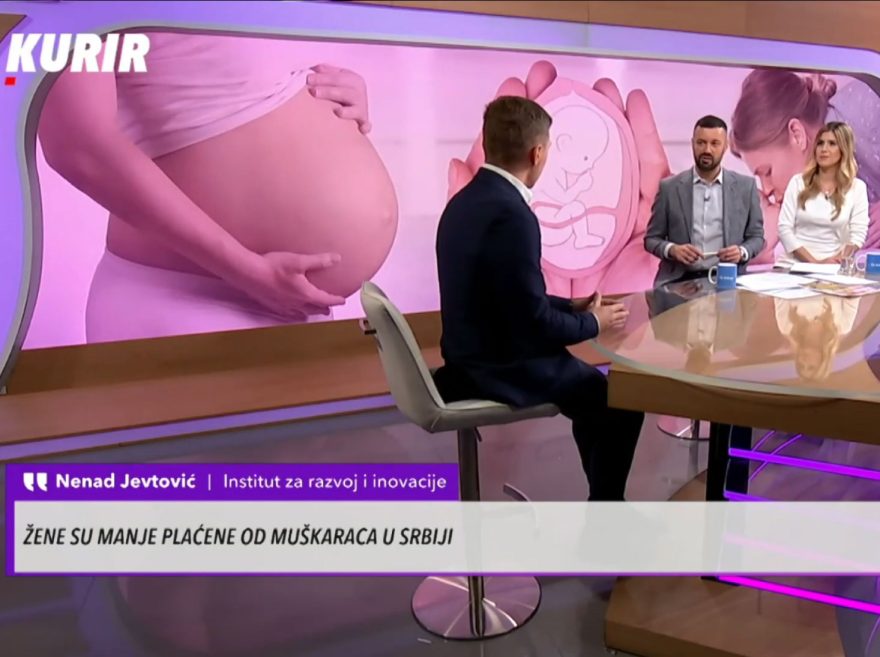
On Improving the Position of Mothers in the Labor Market for Puls Srbije
In the first year, the employer gets state support for 65% of taxes and contributions, 60% in the second, and 55% in the third year.

FOR 24SEDAM

Together for Improving the Position of Mothers in the Labor Market
The Employers’ Union and the Institute in action to improve the position of women after returning from maternity leave.

FOR BUSINESS INTELLIGENCE INSTITUTE

What do Citizens Think About Waste Sorting and Recycling?
Although waste is not sorted in the Republic of Serbia to the same extent as in Finland, Serbian citizens recognize the importance of waste sorting.

FOR BIZNIS.RS

Nearly 180,000 Young People have no Place in the Labor Market
This measure targets many young people especially those in NEET status—not in education, employment, or training.

FOR ALJAZEERA

How much does Population Outflow cost the WB?
Serbia loses 897 million euros annually, Bosnia and Herzegovina 710 million, Albania 559 million, Kosovo 519 million, North Macedonia 333 million, and Montenegro 70 million euros.

FOR BIZNIS.RS

What does Digitalization mean for the Serbian Economy?
One-third of companies use cloud and other online services to store and share data, thereby facilitating internal organization.

FOR BIZNIS.RS

The State Plays a key role in the Development of e-Services
The role of the state is crucial in the development of e-services provided by government bodies or local self-government units, which should improve the quality of life.

FOR BIZNIS.RS

Why do Citizens of Serbia Accept Digitalization more Slowly?
An interesting fact is that once citizens start using e-services, they do not return to the service counters.

FOR BIZNIS.RS

What are the Biggest Challenges faced by Mother Entrepreneurs?
Future mothers may find themselves welcoming their new family member while gathering documentation to resolve employment status.

FOR TV PRVA

We Expect our Proposal to Become part of the Future Prime Minister’s Inaugural Address
The proposal includes subsidizing mandatory contributions for mothers.

FOR EURONEWS

The Disadvantaged Position of Mothers in the Labor Market, IRI Proposes Introducing Reliefs on Salaries
Analysis finds mothers face disadvantages in the labor market.

FOR RTS

The Consequence of the poor Position of Mothers in the Labor Market is Depopulation
Out of 64,000 women who gave birth, as many as one-third were unemployed and without any income at the time of the baby’s birth.

FOR BIZNIS.RS

Employer Incentives for a Better Position of Mothers in the Labor Market
The budget funds for the measure of a three-year reduction of contributions for women would “cost” 300 million euros annually.

FOR K1

What is the Position of Mothers in the Labor Market?
Would introducing reliefs for employers lead to a better position for mothers in the labor market and to an increase in the birth rate in the Republic of Serbia?

FOR N1

You need one Two-Hundredth of Serbia’s Gross Domestic Product for Fiscal Relief for Future Mothers
The proposal for relief includes exemption or subsidization of mandatory contributions.

FOR NEDELJNIK

Proposed Measures to Improve the Position of Mothers in the Labor Market
The proposed measure entails contribution subsidies of 65% in the first year, 60% in the second, and 50% in the third.

FOR Biznis & Finansije

Some Faculties are a Trap for Young People
In Serbia, inequality in access to education is not yet as pronounced as in neoliberal economies like the United States, but we are slowly sliding toward that.

FOR NIN

Announced Inflation as Death for Grandma
Inflation affecting grandma—a characteristic pensioner with an average monthly pension of 31,000 dinars — was 10 percent in January of this year.

FOR BIZNIS.RS

Which eGovernment Services do Citizens use the most?
The most frequently used services are submitting applications for issuing parking permits or spaces for people with disabilities, and those related to COVID-19.

FOR BIZNIS.RS

Everyone Benefits from Digitalization
The process of digitalization is not uniform across all municipalities in Serbia, and a clear gap can be observed in the number of digitalized services among municipalities.

FOR BUSINESS INTELLIGENCE REVIEW

Human Migrations are not new
Human migrations are not new to Serbia and surrounding countries. What is characteristic of recent migrations is that they are driven by the desire for a better life and higher standards.

FOR NEDELJNIK

Far Away, Where Migrations Occur…
They triggered a wave of economic migrations that has alternated with geopolitically driven migrations in our region up to today; only the motivation for leaving has remained unchanged.

RADIO BEOGRAD 1

About the Espresso Index on the Waves of Radio Belgrade 1
The research shows how many short espressos can be bought on average in municipalities and cities for the average net salary, which is set as an index of 100.

FOR NOVA S

Price of Espresso as an Approximation of Purchasing Power in Serbia
This is the first such study conducted in 175 municipalities in Serbia, applying a model similar to the “Big Mac Index.”

FOR EURONEWS

Espresso Purchasing Power as an Approximate Indicator
The results of the “Espresso Index” research show the ratio between the price of a short espresso and the average salary in each of the 175 municipalities in Serbia.

FOR NIN

Mile Goes and Drinks Espresso
Our main conclusion is that internal migration in Serbia is not primarily driven by differences in purchasing power, but rather by the quality of services and overall quality of life offered in different areas

FOR PRVA.RS

Purchasing Power in Serbia Through the Price of a Short Espresso
The Espresso Index serves as an approximate indicator of purchasing power in different cities and municipalities across Serbia.

FOR BBC

What are the Differences in Purchasing Power Among Residents in Serbia
The wallet of the average resident of Kostolac is the thickest in Serbia, while the resident of Raška has the lowest purchasing power.

FOR RTS

How much Society Invests in a Highly Educated Individual
Data from the research “Costs of Higher Education” show how much it costs to educate one person at 8 faculties of the University of Belgrade.

FOR NIN

Students who were Eaten by Locusts
“Students who were eaten by locusts” are those who enrolled in and completed university programs for which there is no demand on the labor market.

We use cookies to provide an optimal user experience according to the Terms of Use.