Media

Through the media, representatives of the Institute for Development and Innovation express expert opinions, advocate for economic policies, and inform the public about their work. Аll with the aim of providing accurate and relevant facts on economic issues of public interest.


RADIO BEOGRAD 1

MOL Gets the Green Light. OFAC: Negotiations on the Purchase of the Russian Stake in NIS Continue
Is Serbia one step closer to achieving energy stability?

FOR EURONEWS

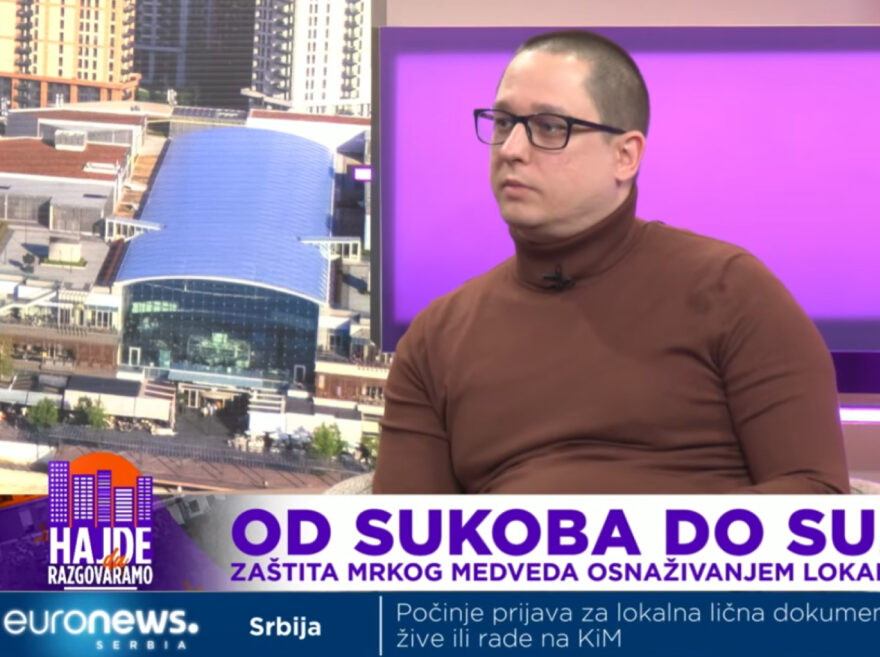
Increasing Encounters Between People and Brown Bears in Serbia: How and Why Is This Happening?
The trend is positive, but as the number of individuals increases, new challenges arise.
FOR VREME.COM

Why is the State Holding Back Serbian Small and Medium-Sized Enterprises?
In this development model, Serbia is reduced to a pool of cheap labor for the needs of foreign investments.

FOR NEWSMAX BALKANS

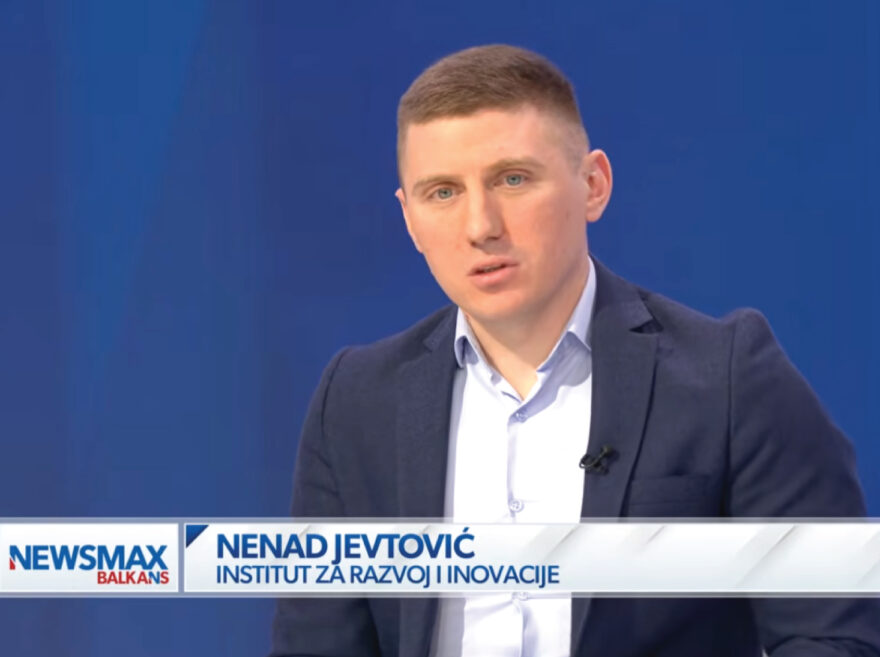
Will the Ban on Oil Exports Prevent Food Price Increases and Protect Household Budgets?
Serbia’s growth requires greater reliance on the domestic economy than on foreign investments.

FOR INFOSTUD

Why do Women both Earn and Expect Lower Wages?
The gender pay gap is not only the result of differences in pay for the same job, it reflects the broader structure of the labor market, as income disparities arise much earlier.

FOR RTS

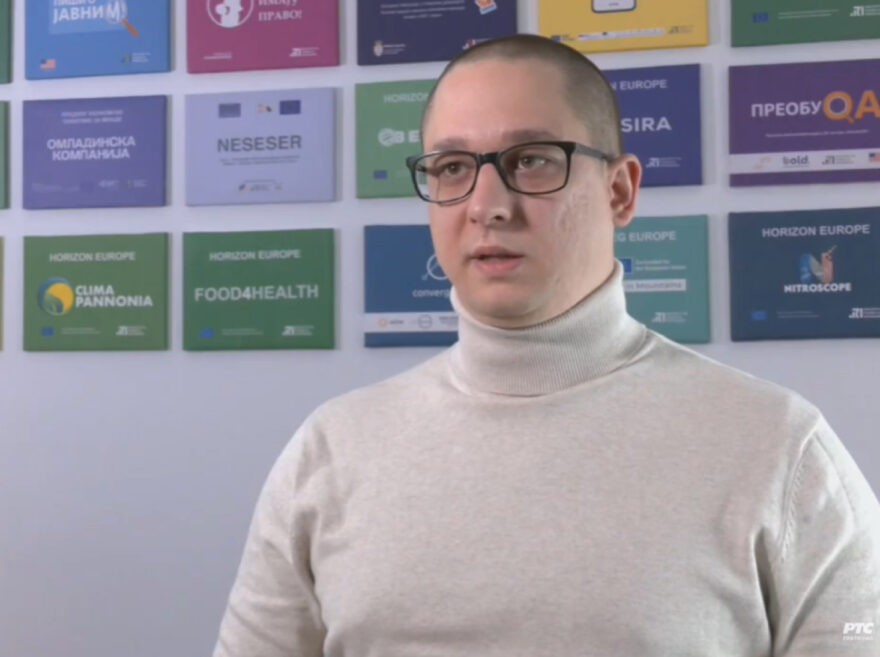
Regenerative Agriculture as a Response to Land Degradation
Regenerative agriculture has the potential to offer sustainable solutions for mitigating land degradation and preserving biodiversity.

INSAJDER TV

Insider Debate: How you Live?
Republic of Serbia still relies on foreign direct investment and lacks a developed industrial policy that would support the economically sovereign development of its domestic economy.

FOR NEWSMAX BALKANS

How Truck Drivers from Serbia and the Region Disrupted the EU Economy
Younger generations in Serbia are increasingly embracing EU values, while EU accession is less seen purely as a matter of membership.

FOR EURONEWS

A Step Towards Independence and a Career: Challenges Faced by Young Women
Young women in Serbia aspire to start their own businesses, but face insecure employment and a lack of support.

FOR RTS

Economic Relations Between the Western Balkans and the European Union: Who Benefits More?
How strong is the voice of the Western Balkans in Brussels?

FOR NEWSMAX BALKANS

World Economic Forum in Davos: “The Role of Serbia Remains Marginal”
Major economic decisions are not taken at Davos, but rather at dedicated bilateral meetings.

FOR RTS

Innovative Enterprises
The Republic of Serbia does not have a coherent industrial policy strategy, and even the most well-designed and carefully planned strategy would remain largely ineffective without consistent and committed implementation.

FOR BIZNIS.RS

Sanctions Against NIS Defined the Year
The year was marked by student activism, the success of domestic expertise through MUST Solutions, missed reforms in public enterprises, and cautious optimism for 2026.

FOR DANAS.RS

Serbia Among Europe’s Leaders in Remittance Inflows Relative to GDP
Remittances are a stable source of foreign exchange and a key pillar of Serbia’s balance of payments.

FOR NEWSMAX BALKANS

What is a Better Solution for NIS – Bankruptcy or Nationalization?
A solution has been in place for months, but it is being delayed to avoid confrontation with major geopolitical actors.

FOR RTS

The Private Sector is more Attractive to Young People
A comparison of the minimum, median, and average wages, along with an analysis of the public sector by sector, shows that these wages are not competitive with the private sector.

RADIO BEOGRAD 1

Do National Support Programs Really Open Doors for Young Female Entrepreneurs?
Entering entrepreneurship begins with personal development and self-confidence.

FOR BUSINESS INTELLIGENCE REVIEW

Regenerative Agriculture: Trend or Necessity?
Regenerative agriculture aims to remediate the environmental consequences and solve problems that conventional agriculture has no answer to.

FOR DANAS.RS

Why do Politicians Attract Investments but Fear Domestic Businessmen?
We live in a complex economy. We have imposed these on ourselves, choosing a growth model instead of a development model.

FOR N1

Are there Shortcuts that Would Bring us Closer to the Wages of more Developed EU Countries?
Serbia is a regional leader, but it is far from the EU countries in terms of living standards.

FOR NOVA EKONOMIJA

The Republic of Serbia can Reach the European Union Living Standards in 35 Years
It takes Serbia 29 years to reach the European Union average when it comes to gross domestic product (GDP) per capita.

FOR FORBES SERBIA

It takes Serbia 35 years to Reach the EU average in terms of Standards, and 26 years when it comes to Salaries
Serbia is a regional leader, but it is far from EU countries in terms of living standards.

FOR DANAS.RS

“It Would take Serbian GDP Almost 30 Years to reach the EU Average”: What Would Change with EU Membership?
When we talk about the economy, it takes us 35 years to reach the EU average.

FOR JUTARNJI PROGRAM RTS

Serbia 35 Years away from Europe in Economy
Are Republic of Serbia and the Western Balkan countries far from the European Union’s standard of living and how many years will it take them to reach it?

FOR BLOOMBERG ADRIA

Foreign Workers in Serbia – Around 60,000 work Permits Expected in 2025
Foreign workers in Serbia have become a necessity, with the largest number employed in the construction sector.

FOR DANAS.RS

How Rising Food Prices have Eaten Away at Pension Growth
Although pensions in Serbia are indexed to inflation through the so-called “Swiss formula,” pensioners’ purchasing power continues to decline due to rising food and utility prices.

FOR DANAS.RS

Two Reasons for the Decline in Remittance Inflows from Workers Abroad
In the first six months of this year, the current account deficit was as much as 92% higher than in the first half of last year.

FOR JUTARNJI PROGRAM RTS

How much does the so-called Brain Drain Cost us?
Educating one person from preschool to completed higher education costs on average more than €34,000, depending on the chosen high school and university.

FOR BIZNIS.RS

Three key Points for the Economic Empowerment of Young Women in Serbia
The Economically Strong! program provides young women with knowledge, support, and guidance for starting their own business.

FOR NEDELJNIK

Italian Workers Offered to come to Kragujevac
Do we really need Fiat in Kragujevac (Republic of Serbia), where workers from other countries are employed and the factory only assembles vehicles for export?

FOR BIZNIS.RS

What Lessons can be Drawn from Fiscal Policy During the Coronavirus Pandemic
We implemented a significant fiscal stimulus to support the economy, but there was indiscriminate distribution to the population.

FOR FORBES SERBIA

Who Benefits – Serbia or Foreign Workers: They earn a Salary and don’t Stay
On average, Serbia receives 21,000 new citizens each year, the majority of whom come from Bosnia and Herzegovina.

FOR DANAS.RS

The Leoni case: Reports Suggest that 1,000 Employees Could lose Their Jobs
Without a competitive workforce and more sophisticated products, Serbia cannot retain foreign investors in the long run.

FOR BIZNIS.RS

Workers in Serbia mark Labor Day amid a deep Social Crisis and a Dual Labor Market
The Serbian labor market is divided: the highly educated set the terms, while others face limited opportunities.

FOR DANAS.RS

What is Regenerative Agriculture and how can it Help us?
It is a set of practices and agrotechnical measures that improve the overall condition of the soil.

FOR RTS

What is the Goal of the Horizon Europe Food4Health Project?
Siniša Borota highlighted the goals of the project and the problems it addresses, as well as the role of the Institute in the project.

We use cookies to provide an optimal user experience according to the Terms of Use.