The “Youth Company” project is implemented within the regional BY LEAP project, funded by the European Union and implemented by Junior Achievement Serbia, in cooperation with seven additional partners from Serbia and the region. The project was implemented from September to December 2022, with the overall objective of fostering youth entrepreneurship in the Republic of Serbia.
The Institute for Development and Innovation was engaged by Junior Achievement to design and implement an advocacy campaign aimed at developing a proposal for an economic policy measure defining the form of a youth company and presenting it to key decision-makers.
According to the Labour Force Survey of the Statistical Office of the Republic of Serbia, in the third quarter of 2022 there were 1.078 million young people aged 15 to 29 living in Serbia. Of this number, 547,000 were active in the labour market, while 531,000 were inactive. The largest disparities are evident in unemployment rates: 25.4% for young people aged 15–24, 18% for those aged 15–29, compared to 8.9% for the total working-age population. These data indicate that young people are in a significantly less favourable position compared to the general population.
Based on Serbia’s key economic policy strategic documents, such as the National Youth Strategy 2015–2025 and the Smart Specialisation Strategy 2020–2027, it is clear that one of the priorities is improving conditions and incentives for entrepreneurship, with a particular focus on youth entrepreneurship. The National Youth Strategy recognizes that youth entrepreneurship is insufficiently developed and, under Specific Objective 3, envisages the creation of enabling conditions for its development. For this reason, the development of a proposal for the youth company model represents a response to the identified challenges.
This proposed economic policy measure aims to create a more favourable institutional framework for young people who wish to start and develop their own businesses. By defining a clear form of a youth company, young entrepreneurs would receive support that mitigates the risks encountered in the initial years of operation, while simultaneously strengthening their competitiveness in the market.
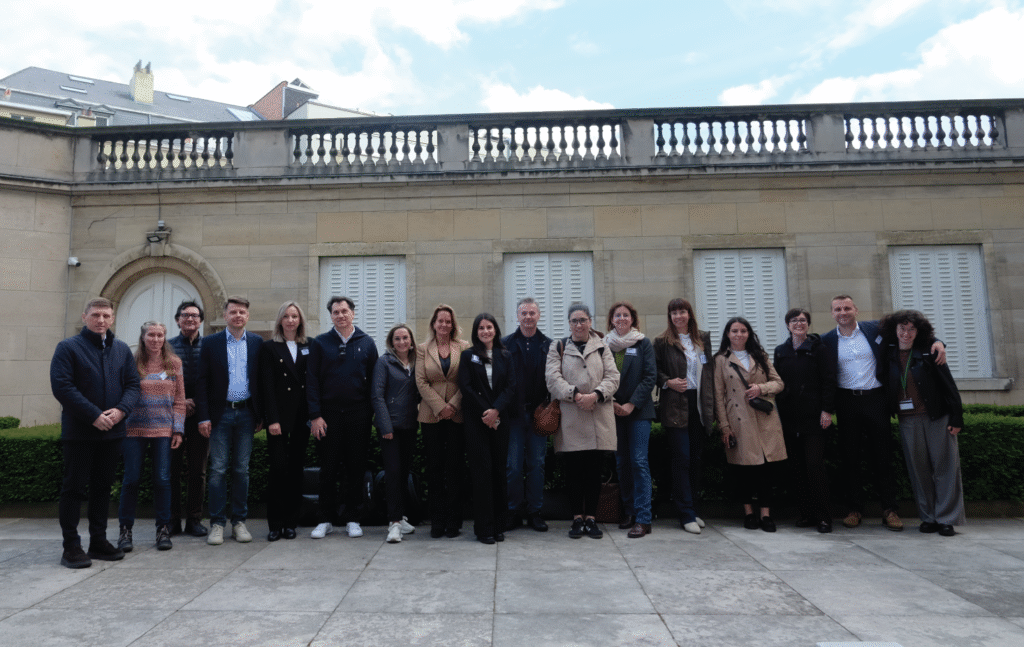
The Institute’s activities within the “Youth Company” project include the development of a proposal for the youth company model in the form of an economic policy measure, as well as the organisation of working meetings with representatives of relevant institutions. Furthermore, the Institute is responsible for analysing the views and experiences of youth organisations, the private sector, and other stakeholders, with the aim of implementing the advocacy campaign and presenting the proposed policy to state authorities and the wider public.
The engagement of all relevant stakeholders – public institutions, civil society organisations, and the business community – is of particular importance in increasing the likelihood that the proposed measure will be adopted and implemented. In addition to its economic effects, this initiative has broader social significance, as it promotes the active role of young people in the country’s economic life.
By increasing the number of young entrepreneurs, Serbia will gain new business initiatives, new jobs, and stronger inclusion of young people in economic activity.
Within this project, the Institute operates with a clear strategic commitment – to contribute to improving the economic position of young people in Serbia through research, analysis, and public policy proposals. By increasing the number of young entrepreneurs, Serbia will gain new business initiatives, new jobs, and stronger inclusion of young people in economic activity. In the long term, this will contribute not only to economic growth but also to stronger social cohesion and reduced youth emigration.
The youth company is not a new legal form but is based on the existing legal form of a lump-sum sole proprietor, which allows existing legislation in the Republic of Serbia to remain unchanged and does not introduce tax exemptions. The reimbursement of lump-sum monthly obligations would be provided from the budget of an existing public budget beneficiary, for a period of up to one year, and up to an annual income threshold of RSD 1,200,000, in order to minimize potential misuse of the youth company model. Through the implementation of this economic policy measure, young people would be encouraged to engage in entrepreneurship, as they would not face financial barriers related to covering monthly lump-sum obligations during the initial months of business operation.