Nitrogen is essential for plant growth, but excessive and inefficient use of nitrogen fertilisers has serious environmental consequences. Only 30–50% of the nitrogen applied is absorbed by crops, while the rest ends up in groundwater or is emitted as nitrous oxide (N₂O), a greenhouse gas.
N₂O emissions have increased by 40% in the last 40 years, and the current rate of increase is the highest in the last 800,000 years, according to a study published in the scientific journal Earth System Science Data (Tian et al., 2024). Although less abundant than CO₂, nitrous oxide has a 300-fold greater warming potential over 100 years and is a significant contributor to ozone depletion. Approximately 75% of N₂O emissions originate from agriculture, suggesting that adopting sustainable practices, such as regenerative agriculture, in this sector is a crucial lever in the fight against climate change.
Kick-off meeting of the NitroScope project consortium
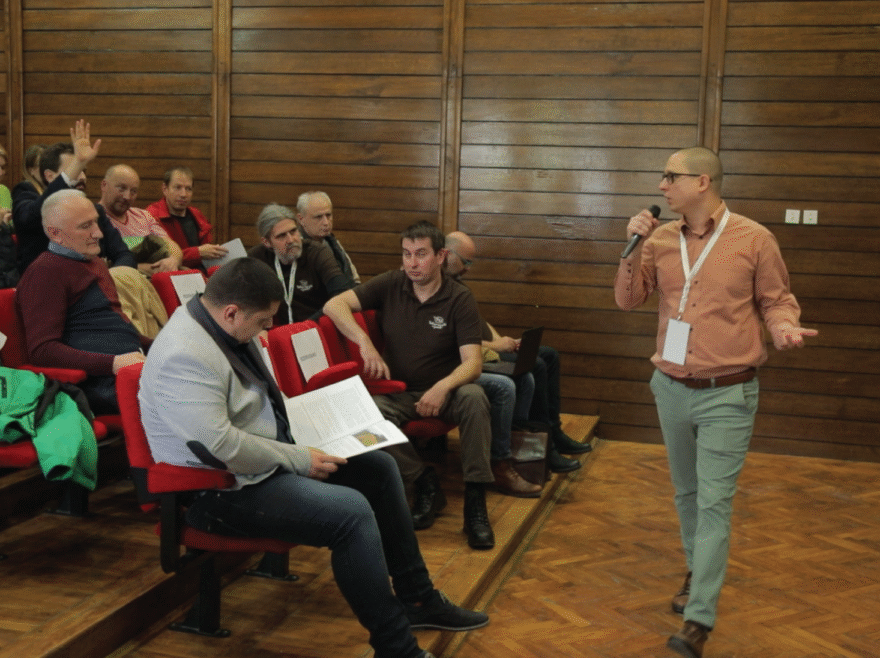
Representatives of the Institute for Development and Innovation attended the kick-off meeting of the NitroScope project consortium partners, which was held on 3rd and 4th November in Ghent, Belgium. The meeting was organised by the project coordinator – Ghent University.
NitroScope is a four-year project funded by the European Commission under the Horizon Europe programme, with a total budget of 11.4 million EUR. Partners from 24 partner organisations from 14 countries attended the meeting.
During the two-day meetings, the partners presented the activities they plan to implement during the project, with a more detailed focus on the activities to be implemented in the first six months. During the meetings, the implementation of nitrogen flux measurements and monitoring and all potential problems and solutions for the project were discussed in detail.
The project aims to provide systemic solutions for better quantification and management of European nitrogen fluxes in order to improve nitrogen use efficiency and reduce nitrogen losses, in particular through nitrate leaching and nitrous oxide emissions.
The Institute for Development and Innovation within the NitroScope project is working on a socio-economic assessment of the effects of implemented nitrogen management strategies, identifying barriers to their adoption and proposing policies that encourage sustainable implementation in practice.
As part of a broader strategy to create a sustainable agro-economic system, the Institute for Development and Innovation advocates for the adoption of innovative practices such as regenerative agriculture. All with the aim to increase nitrogen use efficiency and reduce negative environmental impacts.