The Jablanica and Pčinja districts are among the most challenging areas in Serbia when it comes to further economic development. Out of a total of 19 local self-government units classified as devastated areas in the country, as many as 15 are located in the region of Southern and Eastern Serbia, and seven of them are in the Jablanica and Pčinja districts.
These data clearly indicate the need to direct greater attention of economic policies toward this part of the country, which is facing significant economic and demographic challenges. Although development initiatives in Southern and Eastern Serbia are most often focused on Niš as a regional center, sustainable regional development also implies strengthening the potential of other areas – such as Leskovac and Vranje.
These cities represent local economic and educational centers, but at the same time they face youth emigration, lower average wages, and limited opportunities for professional development. That is why it is important to develop new support models that will encourage local entrepreneurship and innovation.
The experience of many European regions shows that human capital is the most important factor in the development of rural and less developed areas. Investing in knowledge, skills, and entrepreneurial competencies of young people is the basis for stopping population outflow and stimulating the economy of these areas.
International meeting held within the project “Start in Mountains”
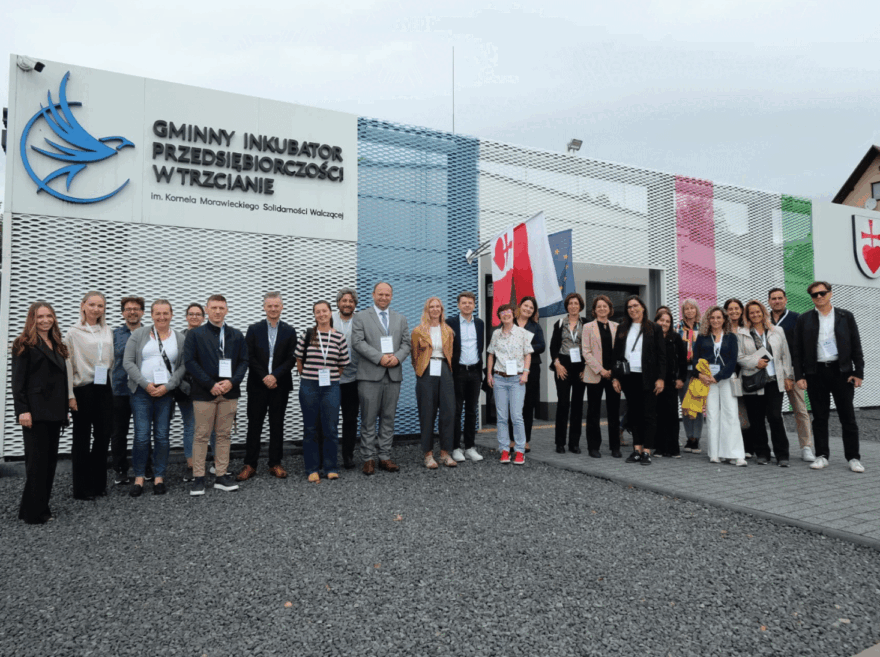
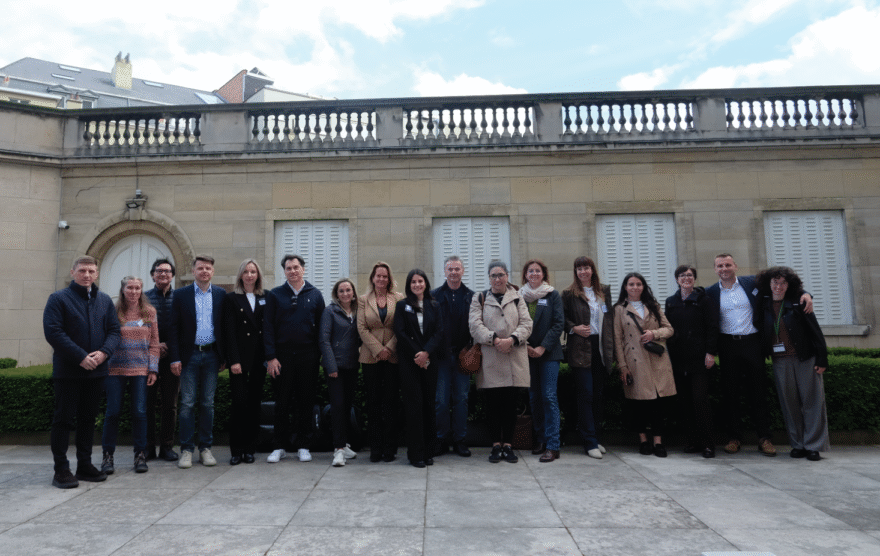
The Institute for Development and Innovation hosted an international TLM (Transnational Learning Meeting) held on March 11–12, 2026, in Belgrade, within the project “Start in Mountains,” implemented by the Institute. The aim of the project is to create favorable conditions for the development of entrepreneurial and innovation ecosystems in mountainous rural areas, with the focus of this meeting being the importance of human capital as a key driver of development. Representatives of eight partner organizations from seven rural regions across Europe participated in the meeting. In addition to exchanging knowledge and presenting good practices from Spain, Poland, Romania, France, Portugal, and North Macedonia, participants were also introduced to the development of the innovation ecosystem in Serbia.
The study visit included an introduction to the Business and Technology Incubator of Technical Faculties (BITF). During the visit, startups developed with the support of the incubator – “HTEC Group” and “Treesury” – also shared their experiences.
Through sharing good practices from Serbia, as well as learning from European practices, the Institute for Development and Innovation strives to encourage their implementation in the Jablanica and Pčinja districts. All with the aim of contributing to reducing regional inequalities and improving conditions for young people to remain in rural areas of Southern Serbia.