Research management as an ever-evolving practice aims to ensure greater transparency, inclusivity, and collaboration, especially in the context of Open Science.
By implementing Open Science practices, universities and research organisations can increase sharing and improve the effectiveness of diverse research outputs such as publications, data, infrastructures and educational resources, for the benefit of society.
In other words, Open Science has the potential to boost innovations and improve the quality, inclusiveness, and societal impact of research.
Gaps in the adoption and implementation of Open Science practices
Despite numerous collective efforts, universities and research organisations still have a long way to go in terms of adopting, adjusting and implementing Open Science practices. Underlying cultural change needed for the widespread adoption is a process, and there are no universal solutions.
Therefore, each organisation should align with Open Science principles at their own pace and in their own way. Through the BEAMING project, the Institute for Development and Innovation has conducted 12 case studies on European universities and research institutes with a focus on the adoption and implementation of Open Science practices.

We have identified implementation gaps across diverse Open Science pillars and formulated recommendations on how to bridge them practically.
BEAMING Open Science Research Manager Forum
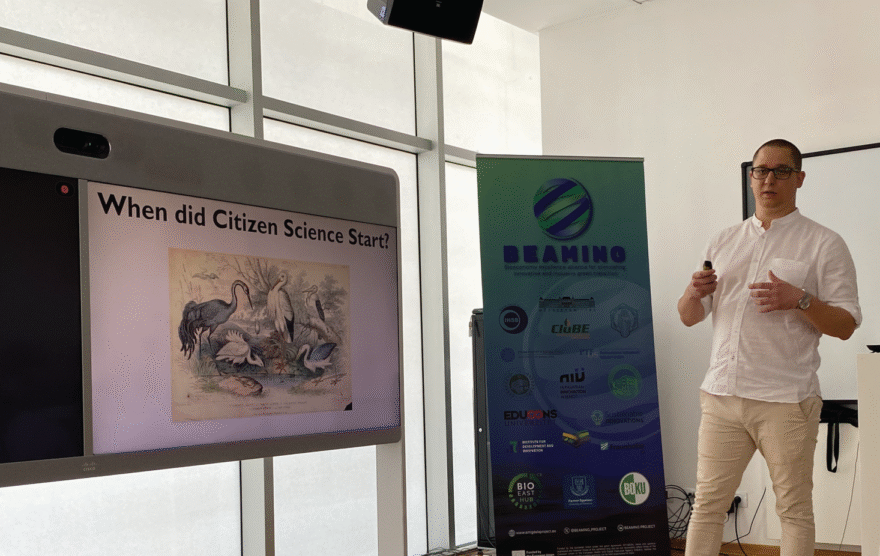
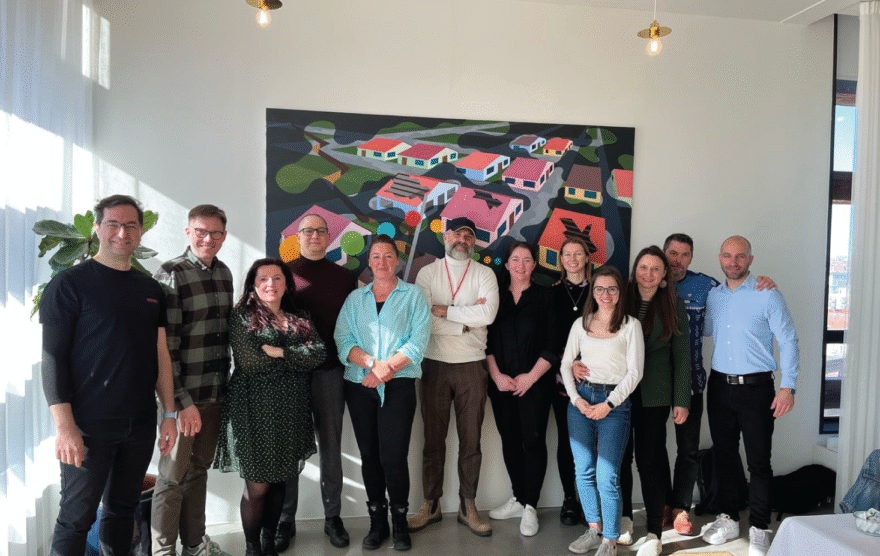
The three-day BEAMING Open Science Research Manager Forum was organized by the BOKU University in Vienna, with the aim of bringing together research managers and other Open Science practitioners from the 12 partner higher education institutions and research institutes to exchange knowledge on Open Science practices, explore possible implementation paths, and define their relation to Bioeconomy as a cross-cutting theme of the BEAMING project.
The Institute for Development and Innovation led a practical session with a focus on introducing the previously mentioned case studies as guidelines and starting points for partner higher education institutions and research institutes to develop individual action plans.
Afterwards, the participants were engaged in co-creative sessions to kickstart their action plans for adopting and implementing Open Science practices in the upcoming period.
BOKU also provided experts on various complementary topics (Research Assessment, Open Data, Open Educational Resources, and bioeconomy) who exchanged knowledge and experience with BEAMING partners through three interactive sessions.