HDHL Food4Health (HDHL F4H) is a four-year project financed by the European Commission through the Horizon Europe program with 2.4 million euros. The project has connected 11 partners from 9 countries to work together on bridging gaps between research, policy, and stakeholders in order to drive systemic change at the intersection of nutrition, health, and the environment.
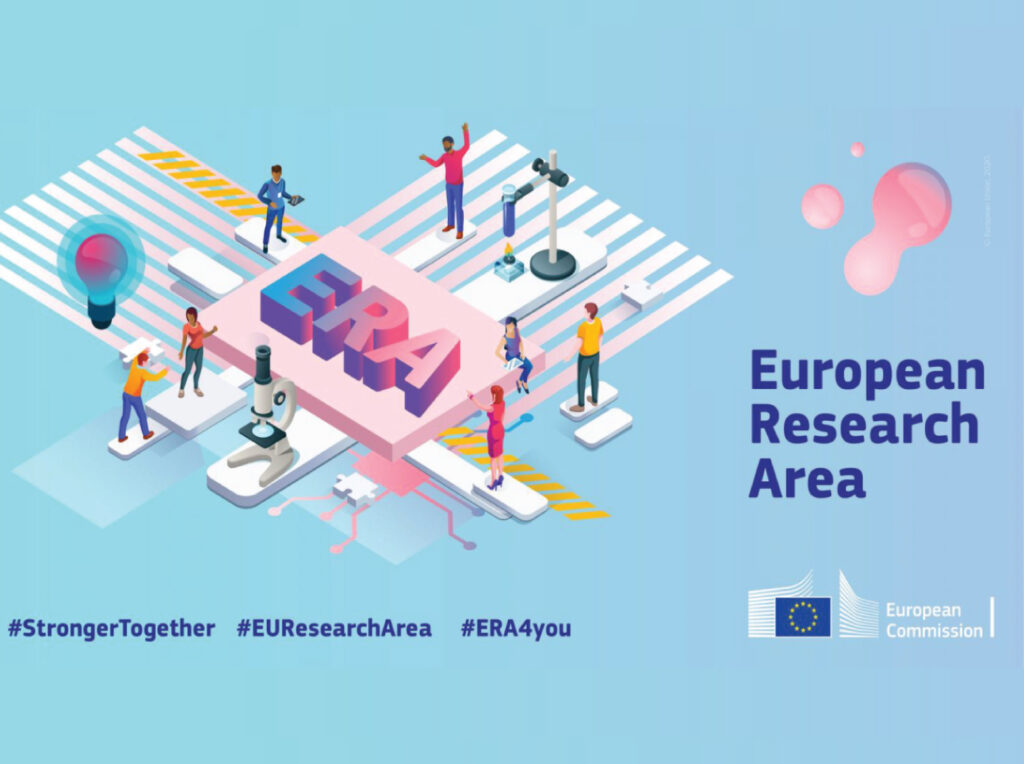
European research and innovation efforts are still quite fragmented, with national and regional programmes often operating in isolation. This means that we are witnessing a significant amount of duplication, inefficiencies, and missed opportunities for creating joint social impact. Despite decades of progress under the European Research Area (ERA), many European countries still face challenges in aligning priorities, pooling resources, and coordinating investments to address shared societal goals.
This lack of structured coordination inhibits our ability to respond collectively to emerging global challenges and accelerate the green and digital transformation.
Non-communicable diseases (e.g., diabetes) and climate change represent two interconnected and significant global challenges that demand immediate attention. Unhealthy and unsustainable dietary patterns contribute to the rising prevalence of non-communicable diseases, at the same time exacerbating environmental degradation and climate change, thus creating a vicious cycle of health and ecological crises.
Despite efforts to address these challenges, unplanned voluntary changes have proven insufficient, implying the need for formulating evidence-based policies and coordinated research across nutrition, health, and environmental domains.
In other words, to achieve sustainable solutions, a transdisciplinary approach is essential, aligning regional, national, and international R&I systems to ensure effective policy implementation and adequate societal transformation.
The project’s core objectives are improving alignment between funding mechanisms and the needs of researchers, policymakers, and industry, bridging the gap between research and policy to ensure that research results translate into actionable policy recommendations, aligning the European and national R&I efforts, fostering collaboration and knowledge-sharing by connecting key stakeholders, and empowering early-career researchers.
Sustainable solutions require a transdisciplinary approach, aligning regional, national, and international research and innovation systems.
Key outcomes of the project are related to the identification of common research and innovation priorities, leading to coordinated funding agendas that address pressing global health and environmental challenges.
The project will also drive the implementation of joint calls and organise diverse joint activities, which will contribute to the European Research Area (ERA) and strengthen national and regional research and innovation coordination.
The main role of the Institute for Development and Innovation is related to integrating aspects from the social sciences into the project’s activities. Specifically, exploring and inventorying research and innovation funding mechanisms, stimulating collaboration among Early Career Networks, conducting stakeholder analysis and policy analysis in terms of ERA Priorities, and participating in the science-to-policy translation efforts.
Through this project and other complementary initiatives, the Institute is tackling questions such as: How can we improve international cooperation in the fields of science and public policy? How can we translate scientific knowledge into concrete policies? How can we place agri-food chains on sustainable grounds?
The Institute actively addresses these challenges through the BEAMING project in relation to ERA priorities and Open Science, and through the RURALITIES, ClimaPannonia, and NitroScope projects in relation to soil health and sustainability of agri-food value chains.